BALI....
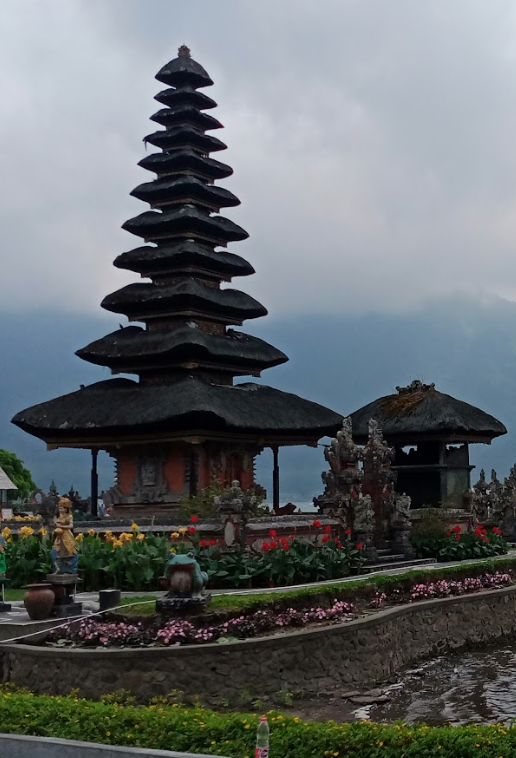
Bali, Indonesia, in October 2023 was our first international family trip.
Post-COVID, Bali had quietly become one of the most talked-about destinations. Almost everyone I spoke to had either just returned from Bali or was planning a trip. That popularity made me curious and decided to visit..
The first real decision was timing.
With school-going kids, the options narrowed quickly: October, during the Dusshera holidays, or April–May, during peak summer. After some research around weather and crowd patterns, October felt like the better compromise. We fixed our travel window from October 19 to October 26.
Flights were booked on July 31, flying AirAsia via Kuala Lumpur, costing around ₹1.4 lakh INR for the family — reasonable for our first international trip together.
Visas, preparation, and first realities
Indonesia offers Visa on Arrival for Indians, but it still requires planning.
You can purchase the visa after landing for about USD 30 (only USD or Indonesian Rupiah accepted), but this can mean long queues. We chose the smoother option — applying online in advance at
https://evisa.imigrasi.go.id/
Each family member needs a separate email ID. Passport needs to be scanned and uploaded. Details are auto-filled, though it’s important to verify everything manually. Once approved, the visa arrives by email. With a printed copy, you skip the visa queue and walk straight to immigration — a small convenience that makes a big difference after a long flight.
Before going, a few realities are worth knowing.
Bali isn’t a passive destination if you want to see its waterfalls — and you should. Most trails involve 1–2 km of walking, often on steep, sharply inclined paths. You need to be moderately fit.
October was mostly sunny. The sun is persistent and unforgiving. Sunscreen isn’t optional.
And water matters.
Drink only bottled water. Even brushing teeth with tap water is discouraged. A common illness, informally called “Bali Belly,” is widespread enough to have earned its own name.
Flight timing also needs care. Many Southeast Asia routes are red-eye flights, departing around midnight. Our flight left at 11:55 p.m. — five minutes later, you’re in a new date. Both AirAsia and Malaysia Airlines route via Kuala Lumpur, often requiring terminal changes. Date confusion is easy if you’re not careful.
Despite research, I missed one detail. At the airport, airline staff asked us to install a health declaration app, a leftover COVID requirement. We were also asked to show proof of accommodation (Airbnb). Everything was verified before boarding.
Arrival
We landed in Bali around 2–3 p.m. Immigration took less than 20 minutes. One question — length of stay — and we were stamped through.
At the airport, I exchanged USD 1,200. Indonesian currency takes time to mentally process. At that point, 100,000 IDR ≈ ₹530. By the end, I was holding close to 1.8 crore Rupiah — absurd until scale resets.
That moment felt like the real beginning of the trip.
We stayed in Ubud, about 1.5–2 hours from the airport. Maps showed 45–50 minutes. Reality differed. Narrow roads, constant traffic, speeds rarely above 30–35 km/h. Google Timeline later confirmed the drive took nearly two hours.
Maps compress reality.
We reached our stay around 4:30 p.m. Bali time (2.5 hours ahead of India) and did nothing that evening. Complete rest. That decision paid off.
Day One: the bali swing and others
We eased into Bali.
First stop: Monkey Forest Sanctuary. Monkeys everywhere — curious, confident, unconcerned with personal space. Chaotic, but natural.
Then came the Bali Swing. Slightly overrated, but unavoidable. It’s a signature experience, and social expectations make it hard to skip.
We visited a Luwak coffee plantation next. I bought a tiny packet — under 50 grams — for 700,000 IDR. Expensive, until currency scale stops feeling real.
Before the rice terraces, we stopped at Bayad Waterfall — a 12–15 minute steep walk. This was where my wife and kids enjoyed themselves the most.
We ended the day at the rice terraces — calm, expansive, and grounding.
Day Two: Volcano and others..
Day two began at 3:00 a.m. for Mount Batur sunrise.
A taxi drop, then a battery-operated jeep. Mount Batur is a volcano — restrained rather than dramatic. My wife found it overrated. I didn’t. As someone who enjoys astronomy, sunrise still holds value.
Breakfast was simple and functional. We returned soon after.
Next was Cretya Ubud, known for its multi-level infinity pools — visually designed, unmistakably intentional.
Then came the kids’ highlight: Bali Safari.
This was where Indonesian currency stopped being amusing. Tickets alone cost close to 4 million IDR. We also booked a premium animal-feeding experience, riding in a caged vehicle and feeding lions, zebras, and elephants. Immersive, carefully managed, and memorable.
By 3:45 p.m., the day was complete.
Day Three: Closing Ubud..
Our first stop was Ulun Danu Beratan Temple. We spent about 1.5 hours there. Calm, composed, rhythmic.
A spontaneous stop followed — a cherry-picking farm. The kids enjoyed the unplanned detour.
Then Banyumala Waterfall. A 700-meter walk to the ticket counter, followed by steep, uneven steps. Careful, deliberate movement, but rewarding.
Lunch at Secret Garden Village, then a local market for souvenirs.
By 7:00 p.m., we were back. The flow felt familiar.
Day Four: A change of island..
We headed to Nusa Penida from Sanur Harbour, booking Penida Express in advance.
The 45-minute speedboat ride was slightly bumpy but smooth. Baggage handling was effortless.
A pre-booked taxi took us straight to our Airbnb cottage, reaching by 11:00 a.m. After light snacks, we headed out.
We visited Broken Beach, then Kelingking Beach — the iconic dinosaur-shaped cliff seen everywhere. From there, Crystal Bay.
The heat was intense. We returned to the cottage earlier than other days — not because there was nothing to do, but because the day had delivered enough.
Day Five: Back to Bali..
We returned to the main island by speedboat — about 40 minutes. By 11:30 a.m., we were back.
Water sports: one of the more expensive activities — around 6 million IDR. Cash ran low, so I used a credit card. My SBI card was temporarily blocked, likely fraud detection. Answering verification calls matters — ignoring them can block your card abroad.
We all did parasailing. Except for me, the others tried the underwater sea walk.
Once done with the water sports, Indian food was the first craving. Searched for Indian restaurant and found near by to the water sports area.
Later, we attempted Uluwatu Temple, but tickets were unavailable. Instead, we went to Melasti Beach, often considered a quieter alternative.
That evening, we checked into our final one-night Airbnb.
Day Six: Returning to routine
An early morning flight.
At the port, we finished shopping and deliberately used up remaining Rupiah, keeping a few small notes as souvenirs.
And just like that, the trip ended — back to work, routines, and school schedules.
Practical notes
- Connectivity: I prefer international roaming over local SIMs. An Airtel roaming pack (~₹1,000) worked well — good data, calls, SMS. I activated it on my wife’s phone too.
- Currency: Airport exchange is convenient and reliable. Activities like Bali Safari and water sports for a family of four can easily consume ~1 crore IDR across the trip.
- Language: English was sufficient everywhere. People were consistently welcoming.
- Stays: We chose Airbnbs with kitchens (except Nusa Penida). Helpful with kids — snacks, instant food, flexibility.
- Food: We ate outside often too — Nasi Goreng and Ayam Betutu were approachable for Indian palates.
- Crowd: Prepare for huge crowds waiting in line for pics..
Length of stay and where to base yourself
Six nights felt right.
- Four nights would have been too tight, especially with family.
- Six nights allowed a balanced pace — enough time to see, rest, and adjust.
- Eight nights would be even more relaxed, particularly if you prefer slower travel or more downtime.
Our choice of location was deliberate.
We primarily wanted tropical greenery rather than beaches, which is why we based ourselves in Ubud. It’s calmer, more spacious, and noticeably less crowded than Denpasar, the capital and main urban centre of Bali. Ubud also works well as a base for waterfalls, temples, and interior landscapes.
Nusa Penida is a must, but it doesn’t require a long stay. A day trip is sufficient for most people, though an overnight stay gives a little more breathing room. In our case, the experience felt complete without needing multiple days.
Overall, a combination of:
- 3–5 days in Bali (Ubud or similar interior base)
- 1 day in Nusa Penida
is very close to ideal for a first visit.
Expenses and budgeting
Here’s a realistic breakdown of our expenses for a family of four:
- Flights: ~₹1.4 lakh
- Accommodation: ~₹50,000 (Airbnbs; surprisingly inexpensive)
- All other expenses: ~₹90,000
(local transport, food, activities, entry fees, shopping)
That brought the total to around ₹3 lakh INR for the entire trip.
Our original plan was ₹2.5 lakh, so we overshot by about ₹50,000.
The main surprises were:
- Seat selection and meals on flights, not aware till you hit next button in process of booking...
- Water sports, priced higher than expected
It’s sensible to plan for at least a ₹50,000 buffer beyond your intended budget.
Travel insurance (don’t skip this)
Travel insurance isn’t mandatory, but it’s important.
I took Tata AIG travel insurance, which cost around ₹1,500 for the trip. It’s a small expense compared to the potential cost of medical issues, delays, or cancellations — especially when travelling with family.
This is one place where saving money doesn’t make sense.
Airbnb vs Hotels: a practical comparison
We chose Airbnb stays primarily for two reasons: the kitchen and the sense of privacy. With kids, having the ability to prepare simple food, store snacks, and control meal timings made a noticeable difference. The stays also felt more customised and isolated — quieter, slower, and less structured.
The trade-off, however, is connectivity. Airbnb locations are often away from main roads, and without hiring a taxi for multiple days, moving around can become inconvenient. You trade spontaneity for planning.
Hotels, on the other hand, offer convenience by default. Taxis are usually available on demand, breakfast is taken care of, and having an attached restaurant removes decision-making. Everything runs on a predictable rhythm, which can be comforting, especially on shorter trips.
In the end, the choice depends on priorities.
If you value privacy, flexibility, and control, Airbnb works well — provided you plan transport in advance.
If you prefer ease, services, and minimal logistics, hotels are the better option.
We leaned toward Airbnb because it matched how we wanted to travel on this trip — slower, more contained, and less dependent on daily choices.
Closing thought
Bali delivered exactly what it promised — efficiently, predictably, generously. Somewhere between waterfalls, temples, beaches, and boat rides,